

Theme
A word from the Program Committee
A moment when
life itself
is under threat.
We meet in a moment when life itself — and the fragile promise of internationalism — are under threat. Ecological collapse, imperial and racial violence, democratic erosion, mass displacement, authoritarian resurgence, technological extraction, and widening global inequality are not isolated crises, but interconnected expressions of systems built on dispossession and disposability.
Unprecedented concentrations of wealth and power undermine democratic life, intensify labor precarity, and erode the conditions that have historically sustained internationalism, cross-border solidarity, and a universal commitment to justice and fairness. Education systems too often mirror and reproduce logics of wealth accumulation and disposability, legitimizing hierarchies of knowledge, labor, and life — and as such embody the crisis.
Yet such intense and protracted crises can generate alternative imaginaries and new collective capacities. Everywhere, people are refusing the inevitability of harm — confronting extractive ventures, defending labor and migrant rights, re-rooting in counter-hegemonic knowledge, and building solidarities grounded in dignity, care, and planetary responsibility.
Indigenous land-based pedagogies, feminist and care-centered economies, worker organizing, abolitionist and reparative justice, refugee- and migrant-led knowledge networks, climate justice movements, disability and sexual rights struggles, and pluriversal epistemologies strive to cultivate just ways to live, learn, and remake relationships.
The invitation
Not preparation for the world as it is, but participation in the work of making the world anew.
Guiding Questions
The conference seeks to engage —
Q · 01
What does it mean to reimagine education not as preparation for the world as it is, but as participation in the work of making the world anew?
Q · 02
How might international and comparative education contribute to the construction of new meanings, purpose and organization of life?
Q · 03
How might our research and praxis propose a path out of the polycrisis and offer alternatives to it?
Q · 04
How might our field cultivate solidarities, institutions, and imaginaries where justice, care and solidarity can flourish?
Q · 05
What forms of learning repair and regenerate relationships — to land and labor, to histories of harm, and to the more-than-human world?
Q · 06
What counter-hegemonic knowledges can illuminate just futures, and how can our field contribute to the collective struggle for a just world?
Kneller Endowed lecture
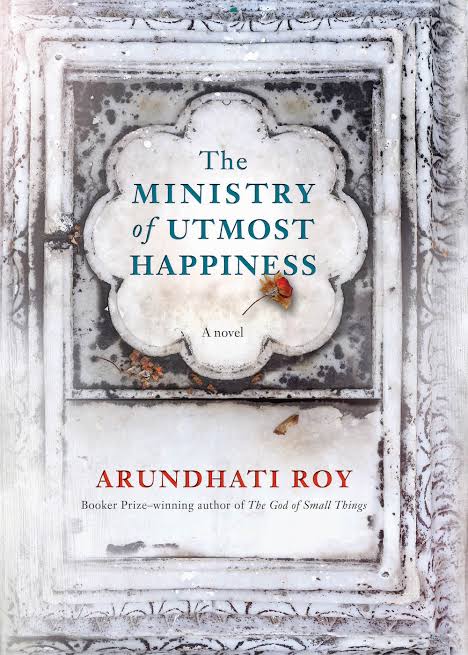
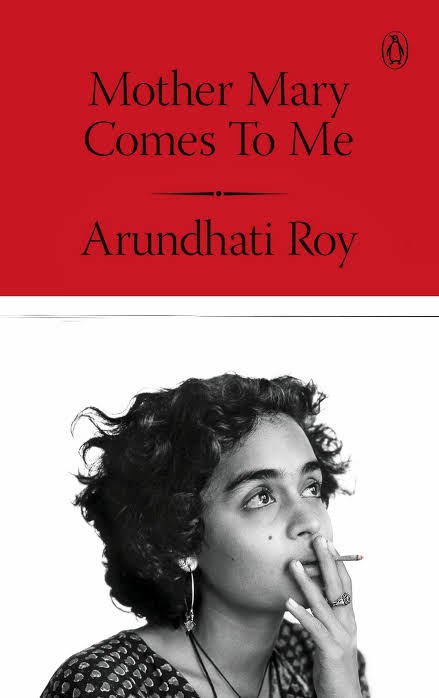
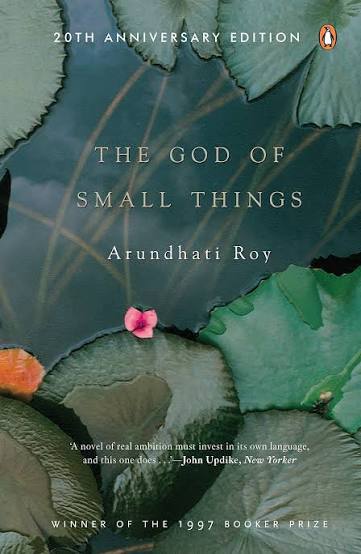
Arundhati Roy is the author of The God of Small Things, which won the Booker Prize in 1997, and The Ministry of Utmost Happiness, which was long-listed for the Man Booker Prize in 2017. Both novels have been translated into more than forty languages. Roy’s works of nonfiction include The End of Imagination, The Doctor and the Saint, My Seditious Heart, and Azadi. In 2023 she was awarded the prestigious European Essay Prize for lifetime achievement, and in 2024 the PEN Pinter Prize for telling “urgent stories of injustice with wit and beauty.” Her latest book, a memoir, is Mother Mary Comes to Me, which was named one of the top five nonfiction books of 2025 by The New York Times and won The National Book Critics Circle Award for Autobiography. She lives in Delhi.

Picture: Arundhati Roy, Courtesy of Mayank Austen


venue and land
Madison,
on Lake Monona

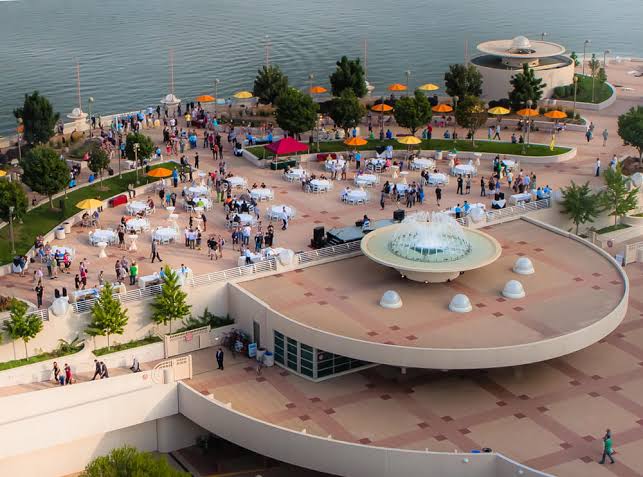
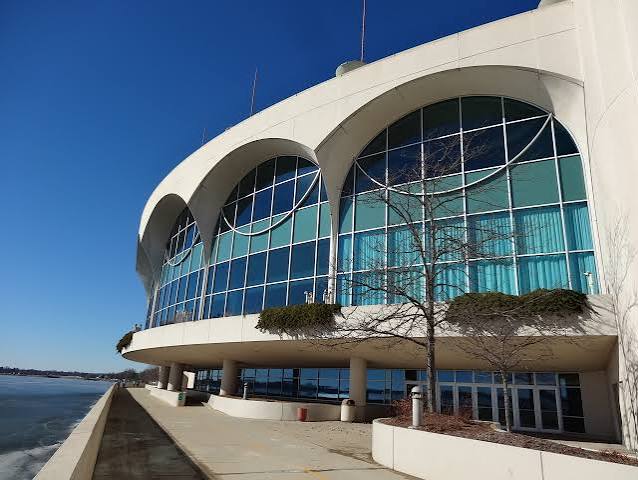
CIES 2027 gathers at the Monona Terrace Community & Convention Center, designed by Frank Lloyd Wright and completed on the shore of Lake Monona in 1997 — a civic room of water and light.
venue 1
Monona Terrace
One John Nolen Drive
venue 2
Madison Concourse Hotel
1 W Dayton Street
Nearest airport
MSN — Dane County Regional
Madison, Wisconsin
Early Spring
Avg. 4–14 °C · thaw & first bloom
Call for submissions
A letter from the President Elect
We are living through a polycrisis. Ecological collapse, authoritarian resurgence, economic precarity, and the obscene concentration of wealth are not separate emergencies — they are the interlocking face of a world in need of remaking. The 2027 Annual Conference of the Comparative and International Education Society, held in Madison, Wisconsin from April 3–7, 2027, gathers under the theme "Reimagining Life: Education for Planetary Justice" to ask what our field can offer this moment. Not education as preparation for the world as it is, but education as participation in the work of making the world anew. What counter-hegemonic knowledges can illuminate just futures? What forms of learning repair our relationships to land and labor, to histories of harm and displacement, to the more-than-human world? How do we cultivate the solidarities, institutions, and imaginaries where justice, care, and collective life can flourish?
This is an invitation to think, dream, and organize together. We welcome proposals from across disciplines, regions, and methodologies — individual and group papers, interactive workshops and performances, book launches, posters, and three new session types: Symposia, Multi-SIG Working Groups, and Off-Site Visits. Onsite and virtual formats are both open. Submissions close September 3, 2026, at 11:59pm ET; full guidelines are on the conference website. Come to Madison. Bring your questions, your research, your refusals, and your hopes. The work of imagining otherwise is urgent, and it belongs to all of us.
— Sangeeta Kamat, President-Elect, CIES
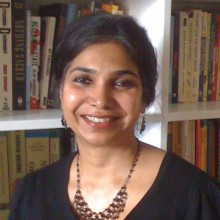
Dr. Sangeeta Kamat
President Elect CIES- 2027
